How an Emergency Dentist in Plano, TX Helps Stop Dental Pain Fast
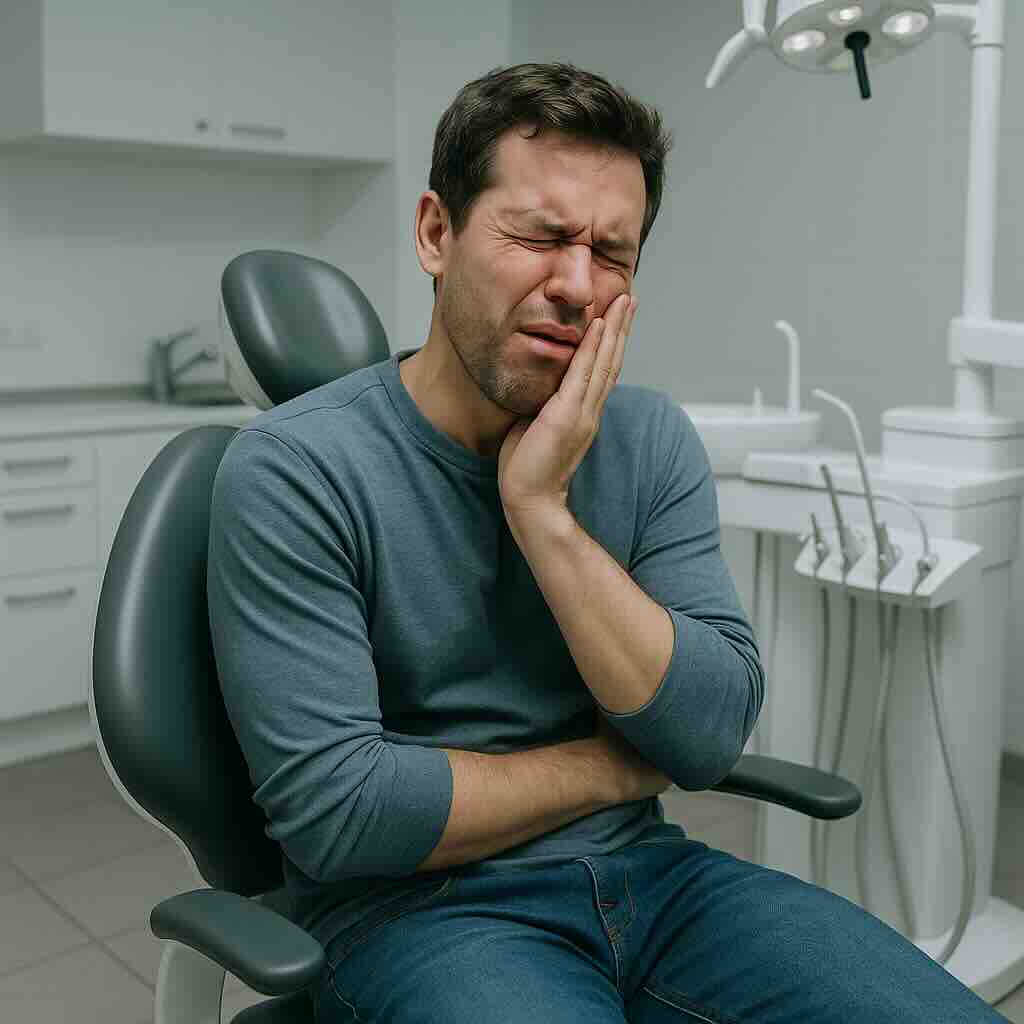
Dental pain has a way of taking over everything. It can start as a dull ache in the back molar during lunch, then become the only thing you notice by bedtime. Sleep gets choppy. Cold water feels sharp. Talking becomes irritating. By the next morning, many people are no longer wondering whether something is wrong. They are asking how quickly they can get relief.
That is where an emergency dentist in Plano, TX becomes so important. Emergency dental care is not just about squeezing someone into the schedule. It is about identifying the source of pain fast, reducing inflammation or infection, protecting the tooth if possible, and preventing a bad situation from turning into a much bigger one. The speed matters, but so does judgment. Not every dental emergency is dramatic. Some of the most urgent cases look minor at first and become severe if they are ignored for even a day or two.
People often assume dental pain will settle down on its own if they wait long enough. Sometimes pain does ease temporarily, but that does not mean the problem is gone. In practice, the pain may lessen because the nerve inside the tooth is dying, or because pressure has shifted. That can create a false sense of relief right before swelling, infection, or a fracture gets worse. Prompt evaluation changes the outcome more often than people realize.
Why dental pain escalates so quickly
The mouth is a small space with a dense network of nerves, blood supply, bone, and soft tissue. Problems there do not stay neatly contained. A cracked tooth can expose sensitive inner layers. A cavity can reach the pulp, where the nerve and blood vessels live. Gum infections can spread into surrounding tissue. Pressure builds, biting force aggravates the area, and the pain ramps up.
One of the most common patterns is this: someone notices sensitivity to sweets or cold for a few weeks, puts off an appointment, then wakes up one night with throbbing pain that seems to pulse with the heartbeat. That shift usually means the inflammation has progressed. At that point, over the counter pain medication may dull the edge, but it rarely solves the underlying issue.
Plano patients often call after regular office hours because dental pain tends to intensify at night. Blood flow changes when you lie down, the distractions of the day are gone, and the discomfort becomes harder to ignore. If there is an abscess, pressure can become especially intense. An emergency dentist in Plano, TX is trained to sort through these symptoms quickly and decide whether the immediate priority is draining an infection, stabilizing a tooth, treating exposed nerves, prescribing medication when appropriate, or arranging definitive treatment without delay.
What counts as a true dental emergency
Some situations are obviously urgent. A tooth gets knocked out during a sports game. A face starts swelling. A crown falls off and exposes a heavily decayed tooth that becomes extremely painful. Others are less clear. A cracked molar that only hurts when chewing may not feel dramatic, but if the crack deepens, the tooth can split beyond repair.
The practical question is not whether the issue feels “serious enough.” The better question is whether waiting is likely to increase pain, infection risk, cost, or tooth loss. In many cases, the answer is yes.
Here are five signs that should prompt a same-day or urgent call:
- Severe toothache that does not improve or keeps waking you up
- Swelling in the gums, jaw, or face
- A broken, cracked, or knocked-out tooth
- Bleeding that does not stop after injury
- Pain with fever, bad taste, or pus, which may suggest infection
Even if the pain comes and goes, those symptoms deserve timely attention. Emergency dentists would rather evaluate a problem early than see it after the damage spreads.
The first goal is not always a final fix
One of the biggest misconceptions about emergency dentistry is that everything gets fully resolved in a single visit. Sometimes that happens. A lost filling can often be replaced quickly. A minor chip can sometimes be smoothed or bonded the same day. But many emergencies need two phases of care: immediate relief first, then definitive treatment once the area is calmer and the diagnosis is clearer.
That distinction matters because it sets realistic expectations. If someone arrives with significant swelling and cannot tolerate pressure on the tooth, the first step may be to reduce infection and pain, not place a permanent crown that day. If a tooth is fractured below the gumline, stabilizing the area and controlling symptoms may come before discussing extraction or replacement. Good emergency care is not rushed dentistry. It is focused dentistry.
In a well-run emergency visit, the dentist listens to the timeline of symptoms, checks the tooth and surrounding tissues, tests sensitivity, examines the bite, and usually takes targeted X-rays. Those details matter. Pain that worsens with heat suggests different possibilities than pain only on biting. Swelling near the gumline means something different from pain that radiates toward the ear. A dentist with emergency experience knows how to read these clues quickly without skipping steps.
How emergency dentists stop pain fast
Relief comes from treating the cause, not just masking the symptoms. That sounds obvious, but it is the key difference between trying to survive with painkillers at home and getting proper dental treatment.
If the problem is an infected pulp inside the tooth, opening the tooth and relieving pressure may provide dramatic relief. If the issue is a deep cavity exposing dentin and nerve tissue, cleaning decay and sealing the tooth can reduce sensitivity quickly. If a crack has made the tooth unstable, adjusting the bite or placing a temporary protective restoration can calm it down. If an abscess is present, drainage may be the most important step. Antibiotics can help in selected cases, especially when swelling is spreading or systemic symptoms are involved, but antibiotics alone are often not enough if the source remains sealed inside a tooth.
This is where judgment really shows. Two patients can both say, “My tooth hurts,” while needing completely different treatment. One may need a root canal to save the tooth. Another may need an extraction because the tooth is broken beyond restoration. Another may have pain that is actually coming from inflamed gums around a partially erupted wisdom tooth. Fast relief depends on getting that call right.
There is also a pain-control component that matters a great deal. Local anesthetic, when used skillfully in an inflamed area, can be the difference between a miserable appointment and immediate comfort. Inflamed lower molars, for example, can be notoriously difficult to numb completely. Experienced emergency dentists know when to use supplemental injections, when to allow more time, and when to stage care if the tissue is too reactive. Those practical details rarely show up in marketing copy, but they matter enormously when someone is sitting in the chair in pain.
Common emergencies seen in Plano practices
Dental emergencies tend to follow patterns. Deep decay is a major one, especially when a cavity has been quietly progressing for months. Cracked teeth are another frequent culprit, particularly in adults who grind, clench, or chew ice. Athletic injuries, falls, and car accidents account for sudden trauma. Lost crowns and failing fillings often become emergencies at the worst possible time, such as before travel or on a weekend.
In Plano, the mix often reflects active family schedules. Children chip front teeth on playgrounds. Teenagers take an elbow during basketball or football. Adults with packed workweeks delay small problems until they become urgent. It is not unusual for someone to seek an emergency appointment after trying to “get through the quarter,” “make it past a business trip,” or “wait until school is out.” By then, the tooth often has other plans.
A practical example: a patient may come in convinced they need a tooth pulled because the pain feels unbearable. After examination, the tooth turns out to be very saveable with root canal treatment and a crown. Another patient may hope for a simple filling, but the crack pattern and depth of decay make the prognosis poor. Emergency care often involves delivering hard truth quickly and compassionately, because the best Emergency dentist Plano, TX treatment is not always the one the patient expected.
What happens during the visit
For someone who has never needed emergency dental care, the uncertainty can add to the stress. Most visits move quickly, but not carelessly. The team usually starts by identifying the painful area, reviewing symptoms, and checking for swelling, drainage, trauma, and temperature sensitivity. X-rays help reveal decay depth, infection at the root, fractures, or bone changes. The bite may be checked because even a high spot on a filling or crown can create significant pain when a tooth is already inflamed.
Once the source is identified, treatment may happen immediately. In many cases, that is the whole point of the appointment. If a tooth can be numbed and treated the same day, the patient often leaves far more comfortable than when they arrived. If definitive treatment cannot be completed safely that visit, the dentist should still be able to explain what is causing the pain, what has been done to reduce it, and what happens next.
That explanation is not a minor detail. People in pain tend to remember very little unless the plan is stated plainly. Which tooth is involved? Is the nerve inflamed, infected, or dead? Is the tooth cracked? Will the pain medicine only help temporarily? Is eating on that side likely to make things worse? Clear communication lowers anxiety and prevents bad decisions later that night.
When swelling makes the situation more serious
Pain is one thing. Swelling changes the urgency. Facial swelling can signal that infection is moving beyond the tooth and into surrounding tissues. Not every swollen gum is dangerous, but some infections spread quickly, especially if the body’s immune response is already strained by diabetes, smoking, certain medications, or poor sleep.
A small localized swelling near one tooth may still be manageable in a dental office, depending on the source and severity. Diffuse swelling under the jaw, trouble swallowing, fever, or difficulty opening the mouth can point to a more significant infection. In those cases, an emergency dentist in Plano, TX may coordinate urgent dental treatment with medical evaluation, because airway and systemic concerns come before everything else.
This is one area where waiting is particularly risky. People sometimes hope antibiotics from a previous prescription will carry them through. That is a gamble. The wrong medication, the wrong dose, or partial treatment can blunt symptoms without controlling the source. Dental infections usually need local treatment, not just pills.
Saving the tooth, when possible
Emergency dentistry is often tooth-saving dentistry. The faster a cracked, infected, or injured tooth is treated, the better the odds that it can be preserved. Timing matters especially with knocked-out teeth. If a permanent tooth is avulsed and handled correctly, there may be a chance to reimplant it, particularly if the patient gets care quickly. The tooth should be held by the crown, not the root, and kept moist in milk or a tooth preservation solution if available. Even then, outcomes vary, but minutes count.
Cracks are more complicated. A superficial chip may be a cosmetic issue. A vertical crack extending toward the root can be much more serious. The challenge is that crack symptoms are often inconsistent. The tooth may hurt sharply on release when biting, then feel almost normal between meals. That pattern leads many people to delay care. By the time the crack propagates, the tooth may no longer be restorable. Early intervention can mean the difference between a crown and an extraction.
Root canal therapy deserves mention here because it is often misunderstood. For a deeply infected or inflamed tooth, a root canal does not create pain, it relieves it. The procedure removes diseased tissue from inside the tooth, disinfects the canals, and seals the space. When done at the right time, it can stop severe pain and save a tooth that would otherwise be lost.
When extraction is the better answer
Saving a tooth is usually the goal, but not at any cost. There are times when extraction is the cleaner, safer, more predictable option. A tooth split below the gumline, severe decay extending too far under the bone, advanced periodontal destruction, or a non-restorable wisdom tooth may fall into that category.
This is where professional honesty matters. A temporary patch on a hopeless tooth can sometimes buy a few days, but it can also prolong pain and add expense without changing the outcome. Patients appreciate straight answers, especially during emergencies. If a tooth can be saved with a reasonable prognosis, say so. If it cannot, say that too, and discuss what replacement could look like after the area heals.
The best emergency dentists are not attached to one type of treatment. They are focused on the patient’s comfort, long-term function, and overall health.
What to do before you get to the office
There are a few sensible steps that can make the trip to the dentist easier and reduce the chance of worsening the problem:
- Rinse gently with warm salt water if the area is irritated or debris is trapped
- Use a cold compress on the outside of the face for swelling or trauma
- Take over the counter pain medicine as directed, if you can safely use it
- Avoid chewing on the painful side and skip very hot, cold, or sugary foods
- Bring any broken tooth pieces, dental appliance, or knocked-out tooth with you
What not to do is just as important. Do not place aspirin directly on the gum, which can burn tissue. Do not keep testing the painful tooth by biting on it. Do not use leftover antibiotics without guidance. Those home measures often complicate treatment rather than help.
Cost, convenience, and the value of acting early
People sometimes delay emergency care because they are worried about cost. That concern is understandable. But from a practical standpoint, early treatment is often less expensive than late treatment. A small fracture may be restorable at first and non-restorable after another week of heavy chewing. A cavity treated promptly may need a filling, while the same tooth later may need root canal therapy and a crown. A gum infection caught early may be handled in-office before it spreads and causes missed work, sleep loss, and more involved treatment.
There is also the cost that does not show up on a bill. Pain drains concentration. It affects eating, mood, and productivity. Parents lose sleep when a child is hurting. Adults drag through meetings or drive to work after a night spent pacing with a toothache. Fast relief is not a luxury. It changes how people function.
In a growing city like Plano, access matters too. Patients want a local office that can assess pain quickly, explain options clearly, and either provide treatment that day or direct them to the next step without confusion. That is why the phrase Emergency dentist Plano, TX matters beyond search terms. It reflects the practical need for nearby, timely care when waiting is no longer realistic.
The difference between urgency and panic
Not every emergency means disaster. That point is worth making because fear causes its own problems. Some patients wait too long because they are afraid the news will be bad. Others panic and assume every pain means they will lose a tooth. The truth usually sits in the middle.
Urgent dental care works best when it is prompt, calm, and specific. The dentist identifies the cause, controls the pain, explains the prognosis, and starts the right treatment path. Sometimes that path is simple. Sometimes it involves coordination with a specialist, follow-up imaging, or staged care. What matters is that the problem stops drifting.
A patient once described emergency dental care perfectly after finally getting relief from a pressure-filled infected molar. They said the pain had made the whole week feel small, as if life had narrowed to one spot in the jaw. That is what intense dental pain does. It shrinks your attention, your patience, and your ability to think about anything else. Effective emergency treatment gives that space back.
If you are dealing with persistent tooth pain, swelling, trauma, or sudden sensitivity that has crossed the line from annoying to disruptive, quick evaluation is the smart move. The right emergency dentist in Plano, Emergency dentist Plano, TX TX can often do more than confirm that something is wrong. They can stop the pain, protect the tooth when possible, and keep a bad day from turning into a far more serious problem.
Vitality Dental
1220 Coit Rd # 106, Plano, TX 75075, United States
+1 972-645-4100
FAQ About Emergency dentist Plano, TX
Will the ER do anything for dental pain?
An emergency department can assess urgent symptoms and provide medical stabilization. Definitive treatment of the tooth usually requires a dentist. Seek emergency medical care for breathing or swallowing difficulty, uncontrolled bleeding, or serious facial injury.
What to do if I have a dental emergency in the middle of the night?
Contact a dentist or after-hours dental service promptly for guidance. If a permanent tooth is knocked out, keep it moist in milk while seeking immediate care. If symptoms suggest a medical emergency, go to an emergency department.
What qualifies as a dental emergency?
A knocked-out permanent tooth, severe or persistent tooth pain, a significant dental injury, or swelling may require urgent dental assessment. Call a dentist to describe the symptoms and determine timing. Uncontrolled bleeding or difficulty breathing or swallowing requires emergency medical care.