How an Emergency Dentist Treats Accidental Tooth Damage at Home
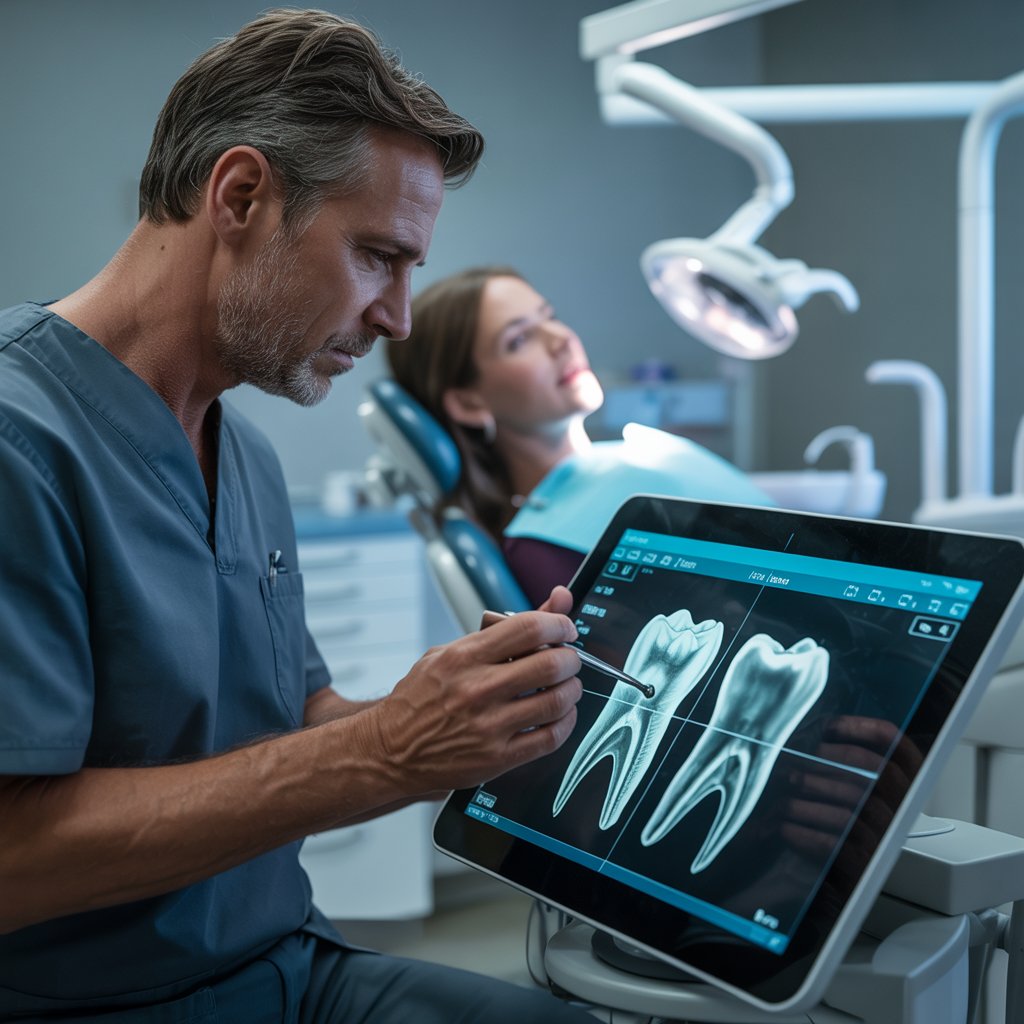
A chipped front tooth on a weekend, a cracked molar after biting an olive pit, a child who slips in the bathroom and hits a tooth on the sink, these are the moments that make people search for an Emergency Dentist in a hurry. The panic is understandable. Teeth do not heal the way skin does, and the first hour after an injury often shapes how much of the tooth can be saved, how severe the pain becomes, and how complex the repair will be.
What surprises many people is that the earliest treatment often starts at home, not in the dental chair. That does not mean trying to fix the tooth yourself. It means controlling bleeding, protecting the damaged area, preserving any broken fragments, and preventing small mistakes that can turn a manageable problem into a more serious one. In practice, home care is less about improvising a repair and more about buying time safely until professional treatment begins.
An experienced Emergency Dentist looks at accidental tooth damage in stages. First comes triage. Is this a true dental emergency, a medical emergency, or a problem that can wait until the next available appointment? Next comes pain control and tissue protection. After that, the dentist determines whether the tooth can be bonded, splinted, crowned, root treated, or, in the worst cases, removed. Each decision depends on the kind of injury, how long ago it happened, the age of the patient, and whether the tooth’s nerve and supporting bone are still healthy.
What counts as accidental tooth damage
Patients often picture dramatic injuries, but many dental emergencies start with something ordinary. Chewing ice, grinding at night, opening packaging with your teeth, sports without a mouthguard, or an unnoticed cavity that weakens a cusp can all end in a sudden break. Some injuries are obvious. Others seem minor at first and worsen over several hours.
A superficial chip in enamel may feel rough but not hurt. A deeper fracture can expose dentin, which tends to cause sharp sensitivity to air, cold drinks, or even breathing through the mouth. If the pulp, the soft tissue inside the tooth, is exposed, pain may become intense and throbbing. Trauma can also loosen a tooth without visibly breaking it, or push it partly out of position. Sometimes the real injury is not the tooth itself but the ligament around the root or the bone that supports it.
This is why two people with what looks like the same chipped tooth can receive very different treatment plans. The visible damage is only part of the story.
The first few minutes matter more than most people think
The goal at home is simple: protect what can still be saved. A fractured edge that keeps rubbing against the tongue can create painful ulceration by the end of the day. A knocked out tooth that dries on a countertop for an hour has a much poorer chance of successful reimplantation than one kept moist and handled correctly. A cracked tooth that is still being chewed on can split further and become unrestorable.
A calm response helps. Rinsing the mouth gently with lukewarm water clears blood and lets you see whether the injury is isolated to one tooth or part of a larger facial trauma. If there has been a fall, sports collision, or car accident, jaw injury, lip laceration, or concussion symptoms may matter as much as the tooth.
For home management, the priorities are usually these:
- Stop bleeding with clean gauze or a clean cloth and light pressure.
- Find and save any broken tooth fragment, keeping it clean and slightly moist.
- Reduce swelling with a cold compress held against the cheek in short intervals.
- Avoid chewing on the injured side and avoid very hot, very cold, or sugary foods.
- Call an Emergency Dentist promptly and describe exactly what happened and when.
That sequence is practical because it mirrors how dentists think when the patient walks in. Timing, symptoms, and the condition of the missing fragment or tooth all influence the options.
How an Emergency Dentist thinks about a chipped tooth
A chip can be little more than a cosmetic nuisance, or it can be a doorway into the nerve. At home, people usually ask the same question: if it only chipped a little, do I really need urgent care? The honest answer depends on symptoms and location.
A tiny enamel chip on the edge of a front tooth may not need same-hour treatment, but it still deserves prompt evaluation. Sharp enamel edges can usually be smoothed or repaired with bonding. The concern is that what looks like a minor chip to the patient may have hairline fracture lines extending farther than expected. If the tooth is tender when tapped, sensitive to cold for more than a brief sting, or if the fracture line appears to run vertically, a more urgent assessment is wise.
At home, temporary dental wax or sugar-free chewing gum can sometimes cover a sharp edge for a few hours, but that is a comfort measure, not a treatment. Superglue, hardware adhesives, and online repair kits are poor choices. Dentists routinely see gums burned by chemicals and teeth made harder to restore because someone tried to glue a fragment in place.
If the broken piece is found, keep it. In some cases, especially with clean fractures of front teeth, the dentist can reattach the original fragment with excellent cosmetic results. It does not always work, but when it does, it can preserve natural shape and color better than a quick buildup.
Cracks are often trickier than chips
Cracks are the injuries that fool people. The tooth may look almost normal, but biting sends a sharp lightning-bolt pain through one side of the jaw. Then the pain disappears when the pressure is released. That pattern often points to a crack. Molars are common victims because they bear heavy forces and often already have large fillings.
Home care for a suspected crack means resting the tooth. Soft foods, no chewing on that side, and avoiding hard items like nuts, crusty bread, or raw carrots can prevent the crack from spreading. Over-the-counter pain relief can help, assuming the person can safely take it. What should not happen is repeated testing, meaning no tapping the tooth, no biting to “see if it still hurts,” and no waiting a week while continuing normal meals.
From the Emergency Dentist’s perspective, cracks range from manageable to catastrophic. A shallow cracked cusp may be protected with a crown or onlay. A deeper crack that reaches the pulp may require root canal treatment before final restoration. A vertical root fracture often cannot be saved. The problem is that home symptoms alone cannot reliably distinguish these categories, so delay tends to narrow the good options.
When a tooth is knocked loose or moved
A tooth that feels taller than the others, suddenly shifts when touched, or appears pushed inward or outward after a blow needs urgent care. This is different from a simple chip. The supporting ligament may be torn, and the tooth may need repositioning and splinting. In children, primary teeth and permanent teeth are handled differently, which is one reason parents should avoid trying to force anything back into place without guidance.
If the tooth is merely loose, leave it alone. Do not wiggle it to test how loose it is. A soft diet is important, and the area should be kept clean with gentle rinsing. The dentist will assess mobility, occlusion, and root support with imaging. Sometimes the tooth survives well with a splint and follow-up. Sometimes the nerve later loses vitality, which means the tooth needs monitoring even after the initial crisis seems over.
This delayed effect catches many families off guard. A child may fall, have the tooth stabilized, and feel fine, only for the tooth to darken months later. Trauma is not always a same-day story. Emergency treatment starts the process, but follow-up determines the outcome.
A knocked out adult tooth is a true race against time
This is one of the few situations where what happens at home can dramatically change the long-term result. A knocked out permanent tooth should be handled by the crown, not the root. If it is dirty, rinse it briefly with saline or milk or very gently with water. Scrubbing the root removes living cells that are needed for reattachment. In some circumstances, the tooth can be placed back into the socket right away if the person is alert, cooperative, and the tooth is definitely permanent. If not, it should be stored in milk or a tooth preservation solution if available. Dry tissue or plain tap water for prolonged storage is less ideal.
Children complicate this scenario because a knocked out baby tooth should not be replanted. Doing so can damage the developing adult tooth underneath. That single detail is enough reason for many parents to call before acting.
Emergency Dentists treat avulsed teeth with urgency because the biology is unforgiving. Reimplantation, stabilization, antibiotics in selected cases, and close follow-up may all be part of care. Even with perfect handling, not every tooth survives long-term. Still, proper home steps can improve the odds substantially.
When pain signals more than a broken edge
Pain after dental trauma is not always proportional to what you can see. A tooth can fracture cleanly and hurt very little, while another may look barely chipped and ache intensely because the dentin or pulp is exposed. Throbbing pain, lingering sensitivity to cold, pain that wakes someone at night, or swelling of the gum near the tooth suggests that the injury has affected deeper tissues.
At home, this is where people often go wrong by placing aspirin directly on the gum or trying home remedies found online. Aspirin burns soft tissue when held against the gum. Clove oil, peroxide rinses, and alcohol are often overused and can irritate damaged tissue. The safer approach is gentle cleansing, cold compresses on the outside of the face, and appropriate oral pain medication if medically suitable.
An Emergency Dentist will usually test the tooth’s response, evaluate the bite, and take images to see whether the fracture extends below the gumline or into the root. Treatment may be as simple as smoothing and bonding, or as involved as pulp therapy, a crown, or extraction. Home care cannot answer those questions. Its role is to limit additional harm.
Soft tissue injuries matter too
Lips, tongue, and cheeks often get overlooked because the broken tooth steals the attention. Yet some of the most uncomfortable injuries are soft tissue cuts from a sharp tooth edge or the impact itself. These areas bleed heavily, and that can make the entire situation seem worse than it is.
Gentle pressure with clean gauze usually controls bleeding. Cold helps here too. If the cut is deep, has gaping edges, contains debris, or bleeding does not stop after steady pressure, medical evaluation may be needed. Dentists often manage oral soft tissue injuries, but emergency rooms are sometimes more appropriate when there is facial trauma, significant swelling, suspected jaw fracture, or concern about head injury.
One practical point from clinical experience: if a lip looks cut after a front tooth breaks, the dentist may take an image of the lip itself to check for embedded tooth fragments. It is not rare, especially after sports injuries or bike falls.
What home treatment cannot do
People naturally want a fix that gets them through the night. Temporary filling material from a pharmacy can be useful for covering a small lost filling or protecting an exposed area for a short time, but it does not restore strength to a fractured tooth. A cracked molar still needs diagnosis. A loose tooth still needs stabilization. A dislodged crown that no longer fits properly can trap bacteria or alter the bite if it is forced back incorrectly.
The line between temporary protection and self-treatment matters. Good home care lowers risk. DIY repair often raises it.
Some of the more damaging home attempts I have seen include filing down broken teeth with nail tools, sealing fractures with craft glue, chewing on the opposite side until the jaw becomes sore, and waiting because “it stopped hurting.” Pain that fades after trauma is not always reassuring. The nerve may be dying rather than recovering.
What happens once you reach the Emergency Dentist
Emergency visits are focused and practical. The dentist first identifies what must be handled immediately, pain, infection risk, bleeding, exposed nerve tissue, or tooth displacement. Cosmetic perfection usually comes later if needed.
A typical same-day approach may include smoothing a sharp fracture, placing a protective temporary material, reattaching a clean tooth fragment, repositioning a displaced tooth, splinting mobile teeth, prescribing medication when indicated, and setting a plan for definitive treatment. That final treatment could be bonding, veneers, crowns, root canal treatment, or extraction with replacement options discussed later.
Patients are often relieved to learn that not every dental emergency ends in a root canal or extraction. Teeth are more salvageable than people think when the injury is addressed promptly. The opposite is also true. Delays can turn a repairable fracture into a deeper split, or a vital tooth into one with irreversible pulp damage.
Signs you should not wait
Not every chipped tooth requires a midnight call, but some problems deserve immediate attention. These situations should move quickly:
- A permanent tooth has been knocked out, moved, or feels suddenly loose after trauma.
- Bleeding does not stop with steady pressure, or there is a deep cut to the lip, tongue, or gums.
- Pain is severe, swelling is increasing, or the tooth is sensitive in a way that suggests nerve exposure.
- A fracture leaves a large missing portion of tooth, especially if the inside looks pink, red, or dark.
- There is associated facial trauma, difficulty opening the mouth, or symptoms suggesting a head injury.
That list is short on purpose. Most people do not need a complex decision tree in an emergency. They need to know whether to act now, and these are the common tipping points.
Preventing the second injury
Once the initial damage happens, the next mistake often causes the bigger problem. A person with a cracked molar chews dinner on it and turns a crown case into an extraction. A child with a loose front tooth keeps clicking it with the tongue. A chipped canine keeps slicing the lower lip. A dislodged crown is swallowed because it was left balancing on the tooth all day.
Protective behavior after the incident matters. Soft foods, limited vitalitydentaldfw.com Emergency Dentist chewing, good oral hygiene, and careful storage of any broken pieces can make the dentist’s job easier and the result better. Even small details help. If there is swelling, using a towel-wrapped ice pack on the cheek in short intervals is more effective than holding ice directly inside the mouth for long periods. If sensitivity is intense, avoiding cold air and drinks may noticeably reduce discomfort before the appointment.
The bigger lesson in these emergencies
Accidental tooth damage feels abrupt, but the outcome is often shaped by preparation and response. Athletes with custom mouthguards get hurt less severely. Teeth weakened by large untreated cavities or old restorations fracture more easily. Night grinders who ignore cracked tooth symptoms tend to arrive when the damage is harder to reverse. On the other side, people who act quickly, protect the area, and contact an Emergency Dentist early usually preserve more options.
The phrase “treated at home” can be misleading. Home is where the first response happens, not where the definitive repair should happen. The best home care is conservative, clean, and brief. It controls the scene, protects the tooth, and buys time for proper diagnosis.
That distinction matters because accidental tooth damage is rarely just about appearance. A small crack can jeopardize the nerve. A loose tooth can threaten long-term stability. A broken edge can hide a deeper fracture below the gumline. What looks simple in the mirror may be more complex in the bone and ligament beneath it.
The reassuring part is that modern emergency dental care is very good at managing these injuries when patients avoid the common pitfalls. Save the fragment. Keep the tooth moist if it has come out. Control bleeding. Protect the area. Then get help. Those steps are not glamorous, but they are the reason many damaged teeth remain repairable when the Emergency Dentist finally turns on the light and takes a close look.
Vitality Dental
1220 Coit Rd # 106, Plano, TX 75075, United States
+1 972-645-4100
FAQ About Emergency Dentist
What counts as a dental emergency?
A knocked-out tooth, significant mouth injury, severe tooth pain, or painful swelling warrants prompt evaluation. Call your dentist and describe your symptoms so the office can advise you on how urgently you need care.
What should I do if I knock out a permanent tooth?
Call a dentist immediately. Handle the tooth by the crown, avoid touching the root, and keep it moist. If you cannot put it back into the socket easily, transport it in milk or a tooth-preservation solution. Bring it with you to the appointment.
Should I go to the emergency room for a dental emergency?
Seek emergency medical care right away if you have trouble breathing or swallowing, uncontrolled bleeding, or a serious facial injury. For an isolated tooth injury or toothache without those symptoms, call a dentist promptly for guidance.