How to Find the Best Emergency Dentist in Plano, TX

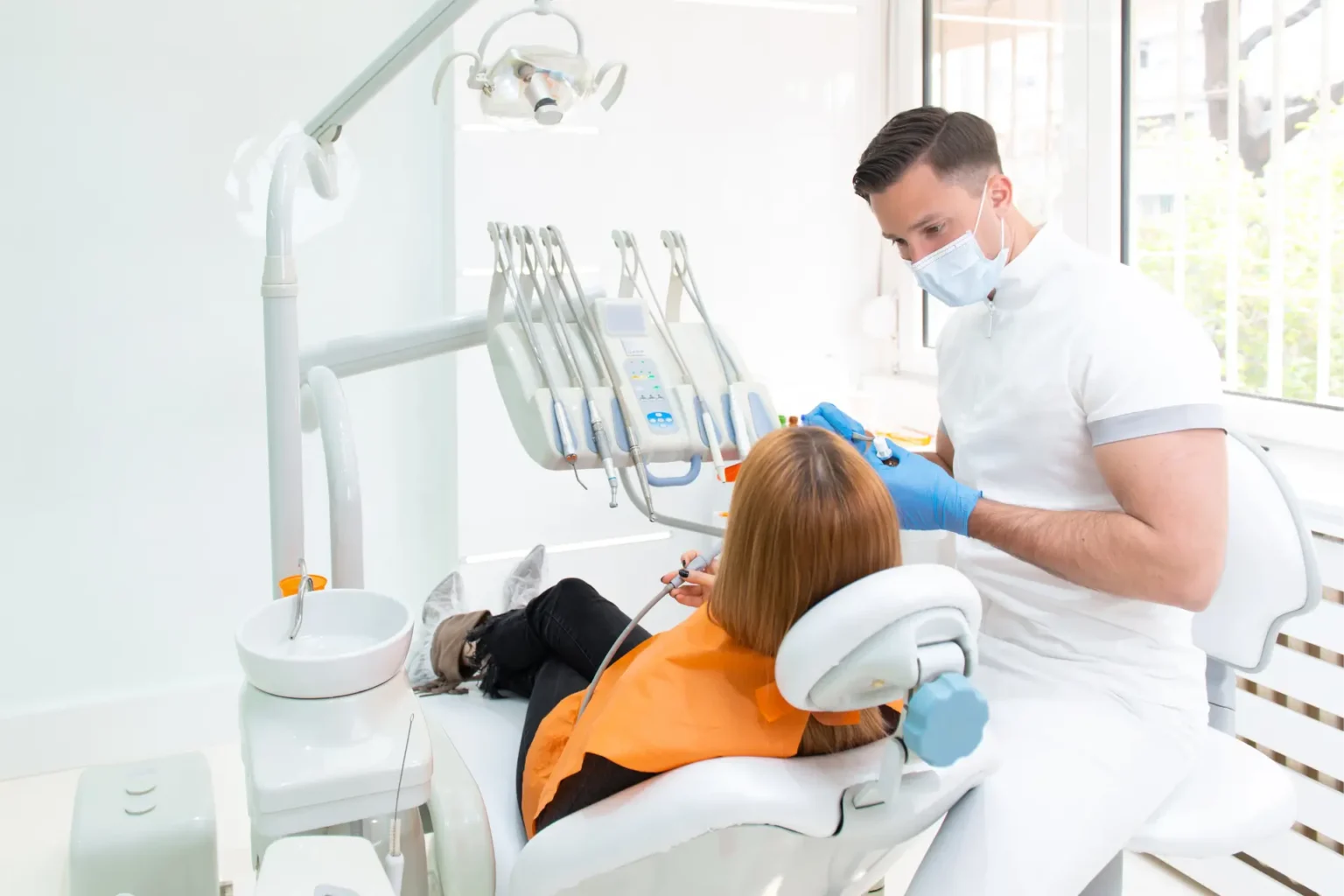

A dental emergency has a way of shrinking your world. One minute you are going through a normal day, and the next you are trying to eat around a broken molar, pressing gauze against a bleeding gumline, or pacing the kitchen with a toothache that suddenly feels impossible to ignore. In those moments, most people are not looking for the perfect long-term dental home. They are looking for someone skilled, available, and calm under pressure.
That is exactly why the search for an emergency dentist in Plano, TX deserves more thought than a quick click on the first name that appears in search results. Speed matters, but so does judgment. A clinic can have a polished website and still be the wrong fit for a true emergency. Another office may not advertise heavily, yet may have the scheduling flexibility, clinical experience, and chairside manner that make all the difference when you are in pain.
Plano gives you options, which is helpful, but options can also make a stressful situation harder. The key is knowing what actually matters when time is short.
What counts as a dental emergency
Not every dental problem needs same-day treatment, but many do. The hardest part for patients is usually not the pain itself. It is the uncertainty. People often wait too long because they hope the problem will settle down overnight, or they assume a general dental office cannot help unless the issue is dramatic, like a knocked-out tooth.
A true dental emergency usually involves severe pain, swelling, bleeding that does not stop easily, trauma, or signs of infection. A cracked tooth can be an emergency if the crack exposes the inner tooth or makes biting sharply painful. A lost crown may be inconvenient if the tooth underneath is stable, but it becomes more urgent if the area is highly sensitive or the remaining tooth structure is weak and likely to fracture. A gum abscess, facial swelling, or fever with dental pain moves the situation into the urgent category because infection in the mouth does not always stay contained.
One of the most common mistakes people make is assuming that if pain comes and goes, the problem can wait. Intermittent pain can still point to a deep cavity, a failing filling, a cracked cusp, or an irritated nerve that is heading toward something worse. A tooth rarely starts screaming without a reason.
Why choosing the right office matters more than choosing the closest one
If you have ever called multiple dental offices during a painful flare-up, you already know that “emergency care” can mean very different things from one practice to another. Some offices reserve daily blocks for urgent patients and can usually see someone within hours. Others may say they accept emergencies, but their next available opening is two days away. That can be acceptable for a minor issue, but not for swelling, trauma, or intense pain.
The best emergency care is not simply about squeezing you in. It is about having the systems and experience to assess the situation quickly, take proper imaging, diagnose accurately, and relieve pain without creating bigger problems later. A rushed temporary fix that misses the source of the issue can cost more time, money, and discomfort than a careful first visit.
In a place like Plano, where many practices serve busy families and professionals, strong scheduling and communication are often just as important as clinical skill. The office that answers clearly, asks the right screening questions, and gives realistic guidance before you even arrive is usually telling you something important about how they operate under pressure.
Start with availability, but do not stop there
When people search for an emergency dentist in Plano, TX, availability is usually the first concern, and rightly so. If your face is swelling or your front tooth was damaged in a fall, next week is not helpful. But same-day access should be the beginning of your evaluation, not the end.
Ask how quickly they can see you, whether they handle after-hours calls, and what kinds of emergencies they routinely treat. Some offices are well equipped for pain relief and diagnosis but refer more complex trauma or oral surgery cases elsewhere. That is not necessarily a problem. What matters is transparency. You want to know whether the office can definitively treat your issue or whether they are likely to provide a temporary measure and send you on.
An office that can explain this clearly tends to be organized and clinically honest. In emergencies, that matters a great deal.
The first phone call tells you more than you think
A surprising amount can be learned from a two-minute call. This is especially true when you are trying to sort through several local practices quickly.
Listen for whether the person answering sounds rushed, dismissive, or uncertain. A good front desk team does not need to diagnose you over the phone, but they should know how to triage. If you say you have swelling, uncontrolled pain, trauma, a knocked-out tooth, or bleeding, they should respond with a sense of urgency and offer practical next steps. If they simply tell you to “come in if you want” without asking any follow-up questions, that is not reassuring.
Good emergency offices usually ask a few focused questions. When did the pain start? Is there swelling? Did the tooth break? Was there trauma to the face? Are you bleeding? Do you have a fever? Have you taken anything for pain? These are simple questions, but they show the office understands that not all dental emergencies are equal.
Patients often overlook tone. They should not. When you are scared or hurting, clear and steady communication matters. People remember the dentist who solved the problem, but they also remember the receptionist who made them feel less alone while they were trying to get there.
What the best emergency dental offices usually have in common
The strongest emergency practices tend to share a few practical traits. These are the signs that often matter most when you are deciding quickly:
- They offer same-day or prompt urgent appointments whenever clinically possible.
- They ask screening questions before your visit rather than treating every call the same.
- They have on-site diagnostic tools, especially dental X-rays, so treatment decisions are not guesswork.
- They explain both immediate relief and longer-term treatment options in plain language.
- They discuss fees, insurance, and payment expectations before surprises show up at checkout.
None of those points is glamorous, but each one affects the patient experience in a real way. A practice can have a beautiful office and still fall short if they cannot diagnose accurately, communicate clearly, or make room for urgent cases.
Experience matters, but the right kind of experience matters more
“Experienced dentist” is one of those phrases that sounds reassuring until you ask what it actually means. Years in practice are useful, but emergency care depends heavily on pattern recognition, procedural confidence, and good judgment under time pressure.
A dentist who regularly handles cracked teeth, emergency extractions, root canal triage, and dental trauma is likely to move faster and more confidently than someone who focuses mainly on routine cleanings and cosmetic work. That does not mean a general dentist cannot provide excellent emergency care. Many do. It means you should look for signs that the office sees urgent problems often enough to have a reliable process.
In practical terms, this can show up in small details. They know when a tooth can be stabilized and watched, and when a subtle crack pattern means the odds are poor. They know when swelling can be managed in-office and when a patient needs to be referred immediately because the infection pattern is concerning. They understand that pain relief is important, but so is avoiding overtreatment when the diagnosis is not yet complete.
That kind of judgment usually comes from repetition, not marketing.
Reviews can help, if you read them the right way
Online reviews are useful, but emergency dental reviews need a different lens than routine care reviews. A glowing comment about a whitening treatment or a friendly cleaning does not tell you much about how a clinic handles a Saturday tooth fracture or a child with a sports injury.
Look for reviews that mention speed, pain relief, compassion, clear explanations, and follow-through. Did the office fit the patient in quickly? Did the dentist explain what was happening and what could wait? Did the patient leave with a plan, not just a vague promise to come back? That type of feedback is more meaningful than generic praise.
It also helps to read a few lower-rated reviews with some discernment. One complaint about wait time on an unusually busy day is less concerning than repeated comments about poor communication, surprise charges, or rushed treatment. Patterns matter more than isolated remarks.
A useful rule of thumb is to trust specifics over adjectives. “They saw me within two hours after I broke a molar, took X-rays, numbed the area well, and explained why I needed a crown instead of just another filling” tells you much more than “Great office, highly recommend.”
Ask about scope of care before you drive over
Emergency dental visits do not always end with definitive treatment that same day. Sometimes the first visit is mainly about diagnosis, pain control, and stabilization. That can still be excellent care. The issue is whether the office is clear about what they can likely do during that visit.
For example, if you may need a root canal, ask whether the dentist performs root canal therapy in-house or typically refers to an endodontist. If the tooth is broken badly and may need extraction, ask whether surgical extractions are handled there. If a child has dental trauma, make sure the office is comfortable treating pediatric emergencies or can direct you quickly to someone who is.
This matters in Plano because patients often assume every modern office offers the same scope of treatment. They do not. Some are broad general practices with substantial emergency capability. Some are narrower in what they handle. Neither model is inherently better, but it is far better to know before you are in the car with an ice pack on your face.
Cost is part of emergency care, whether anyone likes it or not
Pain does not erase financial reality. One reason people delay treatment is fear of cost, and that delay can turn a manageable problem into a much more expensive one. A simple filling left alone may progress to a root canal and crown. A fractured tooth that might have been saved may later need extraction and replacement.
You do not need exact pricing during an emergency phone call, because no ethical office should promise a final number before evaluating the problem. But they should be able to explain the likely range of first-visit charges. In many emergency appointments, that first visit includes an exam, one or more X-rays, and whatever immediate treatment is appropriate. The fee will vary depending on complexity, but a transparent office can usually tell you what basic emergency evaluation costs and what additional treatment might add.
If you have dental insurance, ask whether the office is in network and whether they can estimate benefits. If you do not have insurance, ask whether they offer payment arrangements or third-party financing. Plenty of patients feel embarrassed raising cost questions when they are hurting. They should not. A professional office expects those questions and answers them without making you feel uncomfortable.
Red flags that deserve caution
Some warning signs are easy to miss when you are focused on getting help fast. These are the ones I would take seriously:
- The office advertises emergency care but cannot describe how urgent cases are handled.
- No one asks about swelling, trauma, bleeding, or fever when you call.
- Pricing feels evasive, especially for the exam and diagnostic portion of the visit.
- Reviews repeatedly mention pressure tactics or being pushed into large treatment plans during a pain visit.
- The office seems unable to explain whether they will treat the issue directly or likely refer it elsewhere.
An emergency visit should solve the immediate problem or move you decisively toward the right next step. It should not leave you confused, oversold, or uncertain about what just happened.
Why location inside Plano still matters
Plano is large enough that “in Plano” can still mean a long drive depending on traffic, school pickup time, or whether you are trying to get across town with a throbbing tooth. During an emergency, distance is not just an inconvenience. It affects whether you delay care or show up already exhausted.
That said, I would not choose solely by proximity if another office a bit farther away clearly offers stronger emergency access and communication. A ten- or fifteen-minute difference in driving time is often worth it if the better office can actually see you promptly and handle the problem well.
Think practically. If you are dealing with severe pain, you may need someone else to drive. If the issue involves a child, parking and ease of check-in become more important than usual. If facial swelling is present, getting seen sooner matters more than shaving off a few miles.
Pediatric emergencies need a slightly different filter
When the patient is a child, parents often underestimate how specialized emergency judgment can be. A baby tooth that is displaced, a permanent tooth that is chipped after a sports injury, or a mouth injury with bleeding can all look alarming, but the treatment decisions differ substantially by age and tooth type.
If you are calling for a child, make sure the office is comfortable with pediatric emergency evaluations. Some general dentists are excellent with children. Others are not the best fit under stress, especially if the child is frightened or very young. Ask whether they regularly treat children, whether they manage dental trauma, and how they handle pain control and behavior support.
Parents also need to move quickly when a permanent tooth is knocked out. Time matters. The chances of saving that tooth are best when action happens fast, ideally within the first hour. In that situation, calling an office that can give immediate instructions while preparing for your arrival is far more valuable than reading ten generic web pages.
A good emergency visit should produce clarity
The best emergency appointments do not always end with everything fully fixed, but they should end with clarity. You should know what the diagnosis appears to be, what was done today, what symptoms to watch for, and what the next step is. If there are multiple treatment paths, you should understand the trade-offs.
Take a cracked back tooth as an example. One dentist may recommend a crown if the crack Emergency dentist Plano, TX seems limited and the nerve is calm. Another may say the tooth likely needs root canal treatment first because the symptoms suggest pulpal involvement. A third may tell you the crack extends too far and the tooth has a poor long-term outlook. Those are very different recommendations, but each can be appropriate depending on the actual findings. What matters is whether the explanation makes clinical sense and whether the dentist can show you why they are leaning one way rather than another.
In emergency care, uncertainty is sometimes unavoidable. Teeth do not always read the textbook. A skilled dentist will say when something is still evolving and when a temporary approach is the safest move until the picture sharpens. That honesty is a strength, not a weakness.
How to prepare before you ever need urgent dental care
The easiest emergency is the one you are prepared for before it happens. Most people already keep the number for their physician, pediatrician, or nearest urgent care. Far fewer keep the number of a local dentist who can handle a sudden tooth problem.
If you live in or near Plano, it is smart to identify one or two reputable dental offices now, before the weekend chip, late-night abscess, or lunch-break crown failure happens. Save their contact information. Confirm their office hours. Know whether they have after-hours guidance. If you have children in sports, ask your dentist what to do if a tooth gets knocked out and keep that advice where you can find it quickly.
This small bit of preparation pays off because dental emergencies rarely arrive at convenient times. They show up before meetings, during holidays, and on nights when every small decision feels harder.
When to skip the dental office and seek medical care first
Dentists handle a wide range of urgent oral problems, but some situations cross into medical emergency territory. If swelling is affecting breathing or swallowing, if there has been significant facial trauma, if bleeding is heavy and will not stop, or if a dental infection is paired with high fever and worsening facial swelling, do not spend precious time calling around for appointments. Seek immediate medical evaluation.
The same applies if a fall or accident involved possible concussion, jaw fracture, or head injury. Dental treatment still matters, but medical stability comes first.
A reliable dental office will tell you this if your symptoms suggest it. That is another mark of a trustworthy practice. Good clinicians know where the dental lane ends.
Finding the right fit when every minute feels long
Choosing an emergency dentist is one of those decisions that seems simple until you actually need one. Then every factor becomes personal. You want speed, but not sloppiness. You want reassurance, but not empty promises. You want someone who can get you out of pain and also tell you what comes next in terms you can understand.
If you are searching for an emergency dentist in Plano, TX, focus on the things that matter in real life: prompt access, thoughtful triage, clear communication, honest cost discussion, and a dentist with solid experience treating urgent cases. Those qualities are not flashy, but they are what carry patients through difficult days.
Pain makes everything feel urgent, and often it is. Still, a short, focused evaluation of the office itself can save you from a poor experience at the worst possible moment. In emergency dentistry, the best choice is rarely the loudest one. It is usually the office that knows how to act quickly, explain calmly, and treat the problem with both skill and judgment.
Vitality Dental
1220 Coit Rd # 106, Plano, TX 75075, United States
+1 972-645-4100
FAQ About Emergency dentist Plano, TX
Will the ER do anything for dental pain?
An emergency department can assess urgent symptoms and provide medical stabilization. Definitive treatment of the tooth usually requires a dentist. Seek emergency medical care for breathing or swallowing difficulty, uncontrolled bleeding, or serious facial injury.
What to do if I have a dental emergency in the middle of the night?
Contact a dentist or after-hours dental service promptly for guidance. If a permanent tooth is knocked out, keep it moist in milk while seeking immediate care. If symptoms suggest a medical emergency, go to an emergency department.
What qualifies as a dental emergency?
A knocked-out permanent tooth, severe or persistent tooth pain, a significant dental injury, or swelling may require urgent dental assessment. Call a dentist to describe the symptoms and determine timing. Uncontrolled bleeding or difficulty breathing or swallowing requires emergency medical care.