Top Reasons to Visit an Emergency Dentist Right Away
Dental pain has a way of overruling everything else. It interrupts sleep, makes eating miserable, and turns an ordinary workday into an exercise in endurance. People often wait longer than they should, hoping the pain will settle, the swelling will fade, or the chipped tooth will somehow stop feeling sharp against the tongue. Sometimes that gamble works for a day or two. Often, it makes the problem larger, more painful, and more expensive to fix.
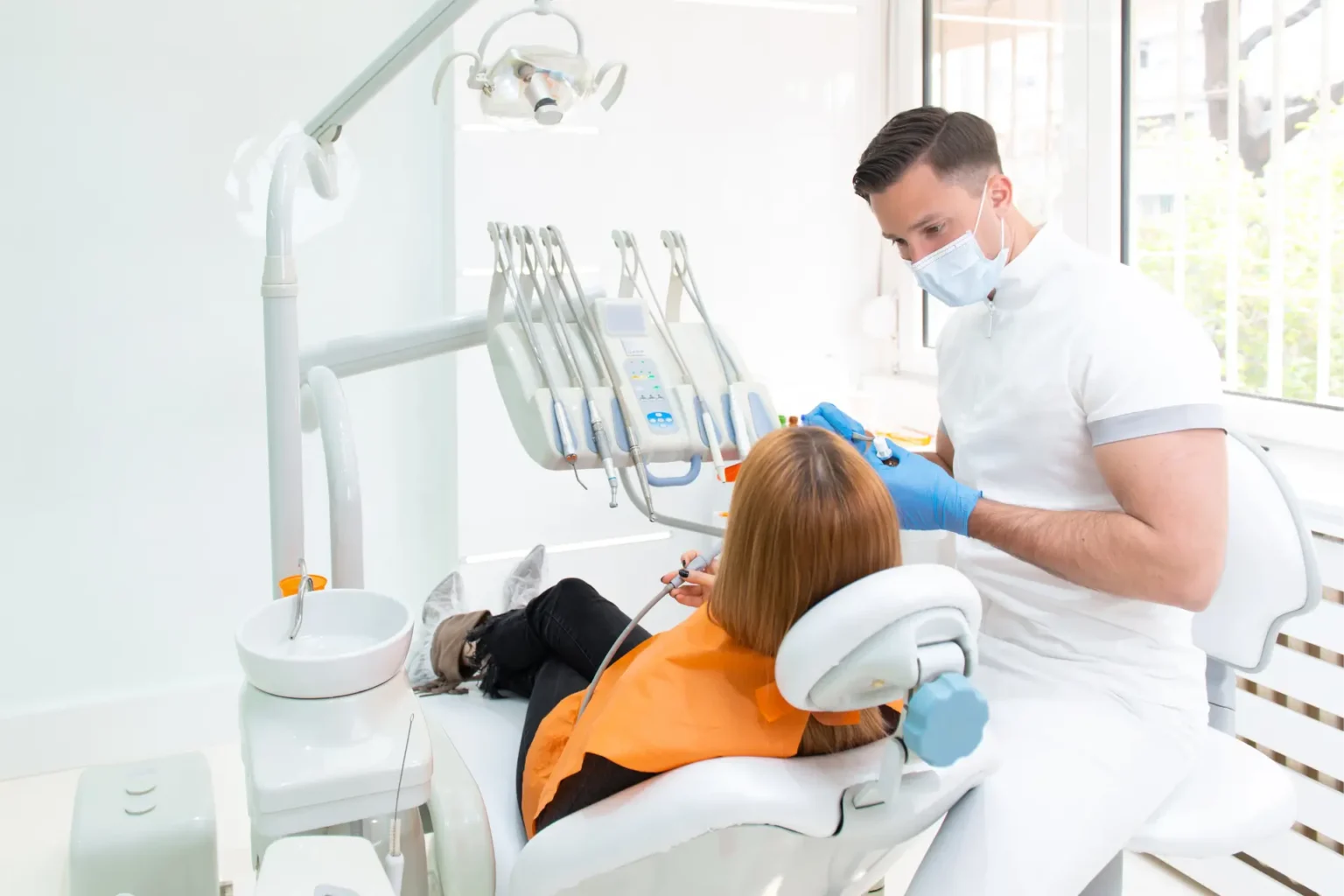
An emergency dentist exists for exactly these moments. The goal is not simply to stop pain, though that matters. It is to protect the tooth, control infection, prevent damage from spreading, and help you avoid complications that are much harder to treat later. In practice, the difference between calling right away and waiting until next week can be the difference between a straightforward filling and a root canal, or between saving a tooth and losing it.
Not every dental issue is an emergency, but many problems that people dismiss as minor turn urgent faster than expected. Teeth do not heal the way skin does. Once enamel cracks, once infection reaches the nerve, or once swelling starts to move through the gums or face, time matters.
Pain that feels severe, throbbing, or constant
The most obvious reason to seek urgent care is significant pain. A dull toothache that comes and goes may still need prompt attention, but pain that throbs, radiates to the jaw or ear, wakes you at night, or lingers after hot or cold exposure is especially concerning. Those patterns often point to inflammation or infection inside the tooth, where the nerve and blood supply sit in a narrow chamber with nowhere to expand.
Patients often describe this pain in very human terms. They say they can pinpoint the heartbeat in the tooth. They say they are taking pain relievers on schedule and still counting the hours until morning. They say cold water helps for a minute, then the pain comes roaring back. That is rarely something to watch casually.
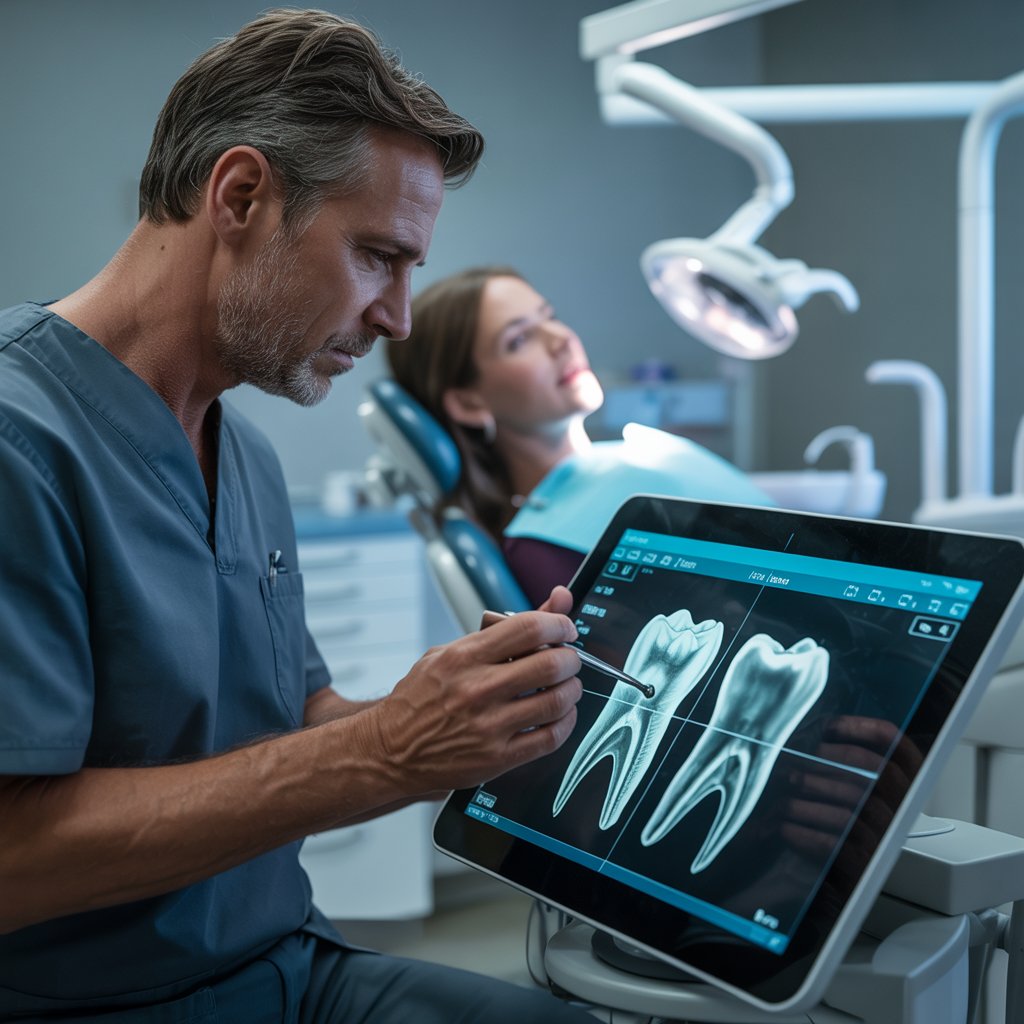
A severe toothache can stem from deep decay, a cracked tooth, a lost filling, gum infection, trauma, or an abscess. The precise cause matters because the treatment is different in each case. If decay has reached the pulp, you may need root canal treatment. If a fracture extends into the tooth, the plan may involve a crown or extraction. If the issue is an abscess, the priority shifts to draining infection and stabilizing the area before it worsens. Waiting without knowing which problem you have usually means the clock is running in the wrong direction.
Swelling is never something to ignore
Facial swelling, gum swelling, or swelling around a specific tooth should push the situation into the urgent category. Swelling signals inflammation, but in dentistry it can also signal infection moving beyond the tooth itself. That matters because oral infections do not always stay neatly contained.
A small pimple-like bump on the gum, tenderness when biting, or a bad taste that appears suddenly may indicate a draining abscess. In some cases, people feel a little temporary relief once pressure releases, and they mistake that improvement for healing. It is not healing. It is a sign that infection has found a path out, while the source remains active. If left untreated, that infection can flare again, spread into surrounding tissue, and become much harder to manage.
More extensive swelling in the cheek or jaw deserves especially quick attention. If swelling is paired with fever, difficulty swallowing, or trouble opening the mouth, the urgency rises sharply. At that point, the problem may need immediate dental care and sometimes medical evaluation as well. An experienced emergency dentist can tell the difference between a localized problem and one that needs broader intervention.
A knocked-out tooth has a short rescue window
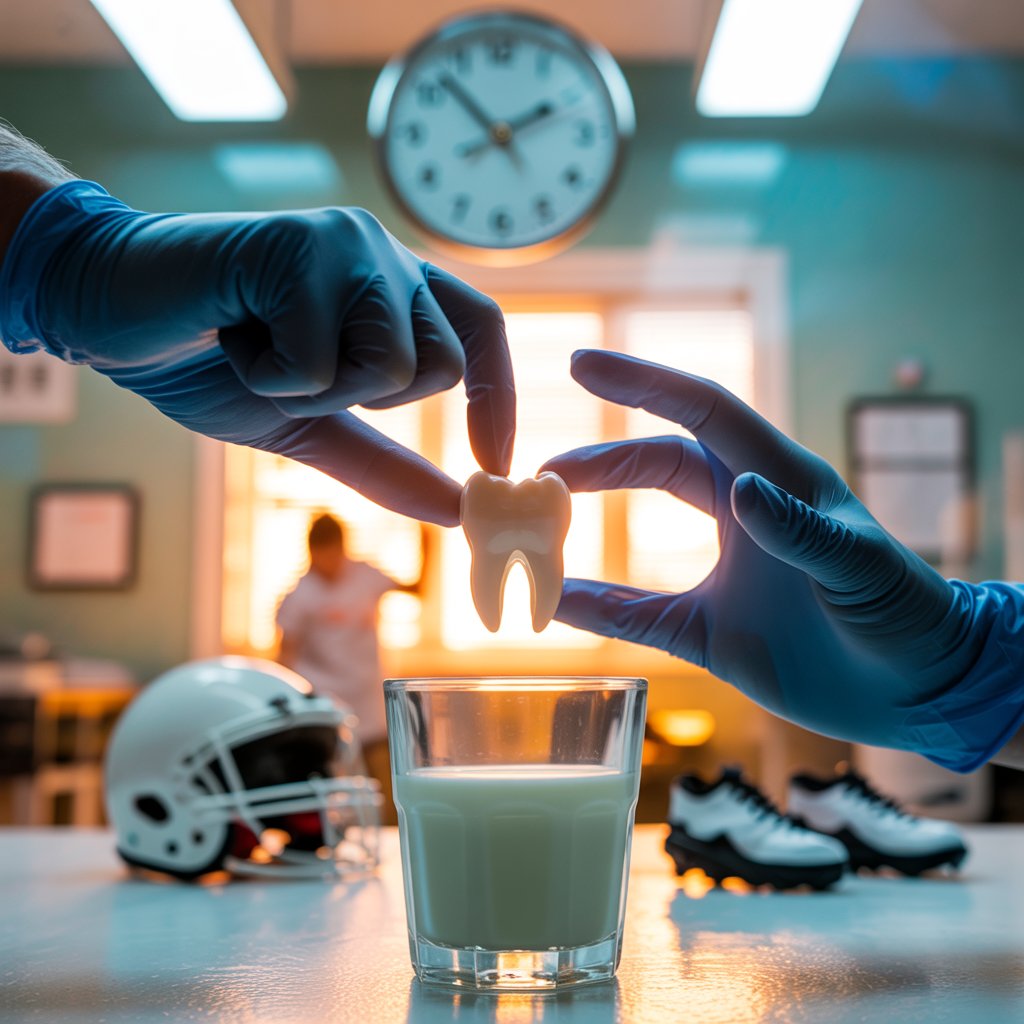
When a permanent tooth is knocked out, every minute counts. This is one of the clearest reasons to see an emergency dentist right away, because there is a real chance of saving the tooth if it is handled properly and reimplanted quickly. The best outcomes often happen when treatment begins Emergency Dentist vitalitydentaldfw.com within about 30 minutes, though teeth can sometimes be saved after a longer period depending on how they were stored and the extent of injury.
The practical details matter here. A knocked-out tooth should be handled by the crown, not the root. If it is dirty, it should be rinsed gently, not scrubbed. Some people can place it back in the socket, but if that is not realistic, storing it in milk or a tooth preservation solution is usually better than wrapping it in tissue or letting it dry out. Drying damages the living cells on the root surface, which reduces the odds of success.
This is one of those situations where quick action changes the entire prognosis. Delay turns a potentially salvageable injury into a missing tooth that may later require a bridge, partial denture, or implant. That is a much larger clinical and financial problem than an urgent reimplantation appointment.
Cracks and fractures often worsen with time
A cracked tooth is easy to underestimate, especially if the tooth still looks mostly intact. Yet even a hairline crack can deepen under normal chewing pressure. People often notice a sharp pain when releasing a bite, sensitivity to cold, or a random jolt while eating something soft. Those clues matter because cracked teeth do not always ache constantly. Some are intermittent, which lulls patients into postponing care.
The reason to visit an emergency dentist promptly is simple. A crack that is still confined to the outer structure may be restorable with bonding or a crown. A crack that extends into the pulp or below the gumline can force much more invasive treatment. In severe cases, the tooth may not be salvageable at all.
Sports injuries, biting hard food, nighttime grinding, and large older fillings all increase the risk. A molar with a big restoration, especially in someone who clenches their teeth, is a classic setup. Once the cusp breaks or the crack propagates, the tooth can go from bothersome to unmanageable quickly.
Bleeding that does not stop deserves immediate care
Minor gum bleeding during brushing can have many causes, and while it should not be ignored, it is not usually a middle-of-the-night emergency. Uncontrolled bleeding after an extraction, a fall, or a laceration inside the mouth is different. The mouth has a rich blood supply, so even small injuries can look dramatic. Still, bleeding that continues despite firm pressure needs professional evaluation.
One common scenario is a patient who had a tooth removed, feels okay initially, then notices steady oozing that soaks gauze for hours. Another is a child or adult who takes an elbow during a game, tears gum tissue, and cannot get the bleeding to taper. An emergency dentist can identify whether the source is soft tissue, bone, the extraction socket, or a damaged tooth, and can place the right kind of dressing or sutures if needed.
Persistent bleeding is also a practical issue. It can interfere with clot formation, raise the risk of dry socket after extraction, and signal a wound that will not stabilize without help.
A lost filling or crown can become urgent faster than expected
At first glance, a lost filling or crown may sound like an inconvenience rather than a true emergency. Sometimes it is. If there is no pain, no exposed sharp edge, and the tooth is stable, it may be reasonable to be seen soon rather than immediately. But many cases move into urgent territory because the exposed tooth is vulnerable.
When a crown comes off, the tooth underneath may be heavily restored, fragile, or already close to the nerve. Once uncovered, it can become painfully sensitive to air, temperature, or pressure. The remaining tooth structure may fracture, which can change the treatment from a simple recementation to a buildup, root canal, or extraction. The same goes for a lost filling. A small gap can quickly Emergency Dentist trap food, stress the surrounding enamel, and open the door to bacterial invasion.
Temporary dental cement from a pharmacy can sometimes protect the area for a short period, but it is not a substitute for professional care. If the tooth hurts, feels loose, or has a visible chunk missing, prompt evaluation is the safer move.
Infections in the mouth do not stay politely local
One of the strongest reasons to see an emergency dentist without delay is the risk that dental infections can spread. The mouth is not an isolated system. Infection can move into the gums, jaw, face, and deeper spaces of the head and neck. That is why dental abscesses are taken seriously in clinical practice, even when the problem started as something as ordinary as untreated decay.
The signs are not always dramatic at first. Pain with biting, warmth in the gum, a bad odor that persists, or tenderness under the jaw may appear before obvious swelling. Then the pattern changes. The face puffs out. The mouth opens less easily. Fever appears. Sleep becomes impossible. By then, the condition may require more than routine treatment.
An emergency dentist can evaluate whether the issue is limited to one tooth or part of a broader infection pattern. That assessment affects whether treatment involves drainage, root canal therapy, extraction, antibiotics, or referral for additional medical management. People sometimes believe antibiotics alone will solve the problem. They may reduce symptoms temporarily, but if the source inside the tooth remains, the infection often returns.
Trauma can hide deeper damage
After a blow to the mouth, the visible damage is not always the whole story. A tooth can be loosened, displaced, or internally injured even if it is not broken. The nerve may be compromised. The supporting bone may be affected. In children and teenagers, trauma can sometimes damage developing structures or change how a tooth erupts later.
A front tooth that looks only slightly pushed back or forward may feel stable enough to ignore. That is risky. Teeth that have shifted position should be assessed quickly, ideally the same day, because timely repositioning and splinting can improve the chance of long-term survival. Delay allows tissues to begin healing in the wrong position and may complicate treatment.
Soft tissue injuries matter too. Cuts to the lip, tongue, or gums may contain tooth fragments, debris, or hidden tears. It is not unusual for someone to focus on the chipped incisor and miss the fact that the lip is embedded with enamel fragments from the impact.
Broken teeth can cut soft tissue and change fast
A broken tooth is not merely cosmetic. The jagged edge can lacerate the tongue or cheek, and the extent of the fracture is often deeper than it first appears. What seems like a small chip in the mirror can expose dentin, causing sharp sensitivity, or expose the pulp, creating severe pain and a high risk of infection.
Front teeth are the most emotionally distressing when they break, largely because the damage is visible. Molars, though less visible, often present the bigger chewing problem. A fractured molar can collapse under bite pressure in a matter of days, especially if a large section of tooth has sheared off around an old filling.
Emergency dental care in this setting serves two purposes. It relieves pain and protects the remaining tooth structure. Sometimes the immediate fix is a smoothing, temporary covering, or bonded repair. Sometimes it is a more involved stabilization before definitive treatment. Either way, prompt attention usually preserves more options.
Jaw pain and bite changes can signal more than a sore tooth
Not every dental emergency announces itself with a cavity-like ache. A sudden change in how the teeth come together, pain near the jaw joint after trauma, or a feeling that a tooth is suddenly higher than the others can point to dislocation, fracture, inflammation around the root, or a cracked cusp.
These cases are easy to misread. People assume they slept in a bad position, clenched overnight, or irritated the joint by chewing gum. That can happen, but a new bite change after impact or a sudden inability to chew on one side deserves evaluation. An emergency dentist can determine whether the issue is muscular, dental, or skeletal, and direct care appropriately.
Children need prompt evaluation too
Parents often hesitate when a child injures a tooth, especially if the child calms down quickly. But children can minimize pain, and baby teeth, while temporary, still matter. Trauma to a primary tooth can affect the permanent tooth developing underneath. If a baby tooth is driven into the gum, displaced, or fractured near the nerve, timing matters.
Permanent teeth in children and teens deserve the same urgency as in adults, sometimes more. Young permanent teeth have biological advantages in healing under the right conditions, but those advantages are time-sensitive. A tooth that is repositioned, protected, or treated quickly may do much better long term than one left to drift for several days.
Delay usually raises the bill, not just the discomfort
Most people think first about pain when deciding whether to call an emergency dentist. Cost is often the second thought, and it is one reason people postpone. Ironically, delay often leads to a more expensive outcome.
A cavity that might have needed a moderate filling can progress until the nerve is involved. A cracked tooth that might have been crowned can split beyond repair. An infection that might have been treated in the office can become a larger urgent problem requiring more visits, stronger medication, imaging, or tooth replacement after extraction.
There is also the hidden cost of postponement. Time off work, poor sleep, difficulty eating, and the distraction of constant pain all add up. In a busy practice, it is common to hear patients say they delayed to avoid one appointment, then ended up needing three.
What truly calls for same-day help
It helps to have a practical framework. Not every dental issue requires immediate after-hours care, but certain symptoms should trigger a same-day call.
- Severe or worsening tooth pain that is not settling
- Swelling of the gums, face, or jaw
- A knocked-out, loose, or displaced permanent tooth
- Uncontrolled bleeding after trauma or extraction
- Signs of infection such as fever, bad taste, pus, or difficulty swallowing
Even with this checklist, judgment matters. A minor chip with no pain can often wait a short time. A minor chip with cold sensitivity and a cut lip should not. The distinction is not always obvious, which is why calling the office is worthwhile. A good team can triage over the phone and tell you how urgent the situation sounds.
What to do before you get to the office
The time between the problem starting and arriving at the clinic matters more than people realize. Good first steps can reduce complications and improve the odds of saving a tooth.
Rinse gently with warm water if there is debris. Use a cold compress on the outside of the face for swelling. If there is bleeding, apply clean gauze or cloth with steady pressure. Keep a knocked-out tooth moist, ideally in milk if it cannot be placed back in the socket safely. Avoid aspirin placed directly on the gum, which can irritate tissue. If a tooth fragment is found, bring it along. Dentists can sometimes use it or, at minimum, it helps them assess the break.
One important caution: pain relief should not create false confidence. Over-the-counter medication can dull symptoms, but it does not reverse infection, repair fractures, or reposition displaced teeth. Feeling better for a few hours is not the same as being safe.
Why emergency dentistry is about preservation, not just relief
The phrase "Emergency Dentist" often makes people think only of urgent pain control. In reality, the deeper value is preservation. Preserve the tooth. Preserve the bone. Preserve the bite. Preserve the chance of a simpler treatment plan.
That mindset shapes good emergency care. A dentist is not just extinguishing a fire in the moment. They are trying to prevent the next fire, the bigger one that starts when damage is allowed to spread. Sometimes the immediate visit leads to a temporary measure, followed by definitive treatment later. That is still successful emergency care, because the crisis is stabilized and the long-term damage is limited.
Dental emergencies rarely improve through neglect. They either stay the same, which is uncommon, or they deteriorate. When pain, swelling, trauma, or bleeding appear, prompt attention gives you the best chance of keeping the problem small, manageable, and repairable. That is the real reason to go right away.
Vitality Dental
1220 Coit Rd # 106, Plano, TX 75075, United States
+1 972-645-4100
FAQ About Emergency Dentist
What counts as a dental emergency?
A knocked-out tooth, significant mouth injury, severe tooth pain, or painful swelling warrants prompt evaluation. Call your dentist and describe your symptoms so the office can advise you on how urgently you need care.
What should I do if I knock out a permanent tooth?
Call a dentist immediately. Handle the tooth by the crown, avoid touching the root, and keep it moist. If you cannot put it back into the socket easily, transport it in milk or a tooth-preservation solution. Bring it with you to the appointment.
Should I go to the emergency room for a dental emergency?
Seek emergency medical care right away if you have trouble breathing or swallowing, uncontrolled bleeding, or a serious facial injury. For an isolated tooth injury or toothache without those symptoms, call a dentist promptly for guidance.