When to Call an Emergency Dentist for Severe Toothache
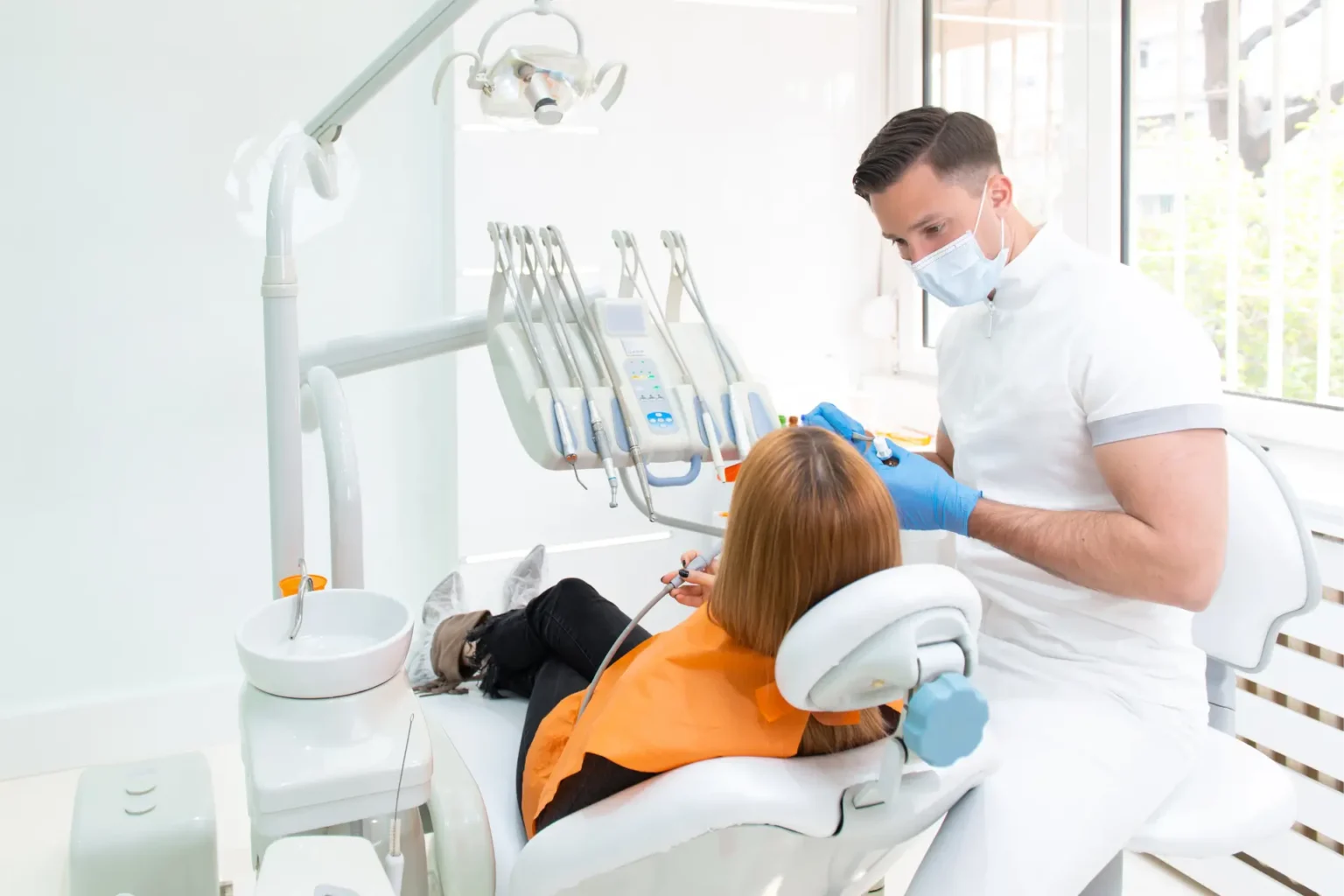
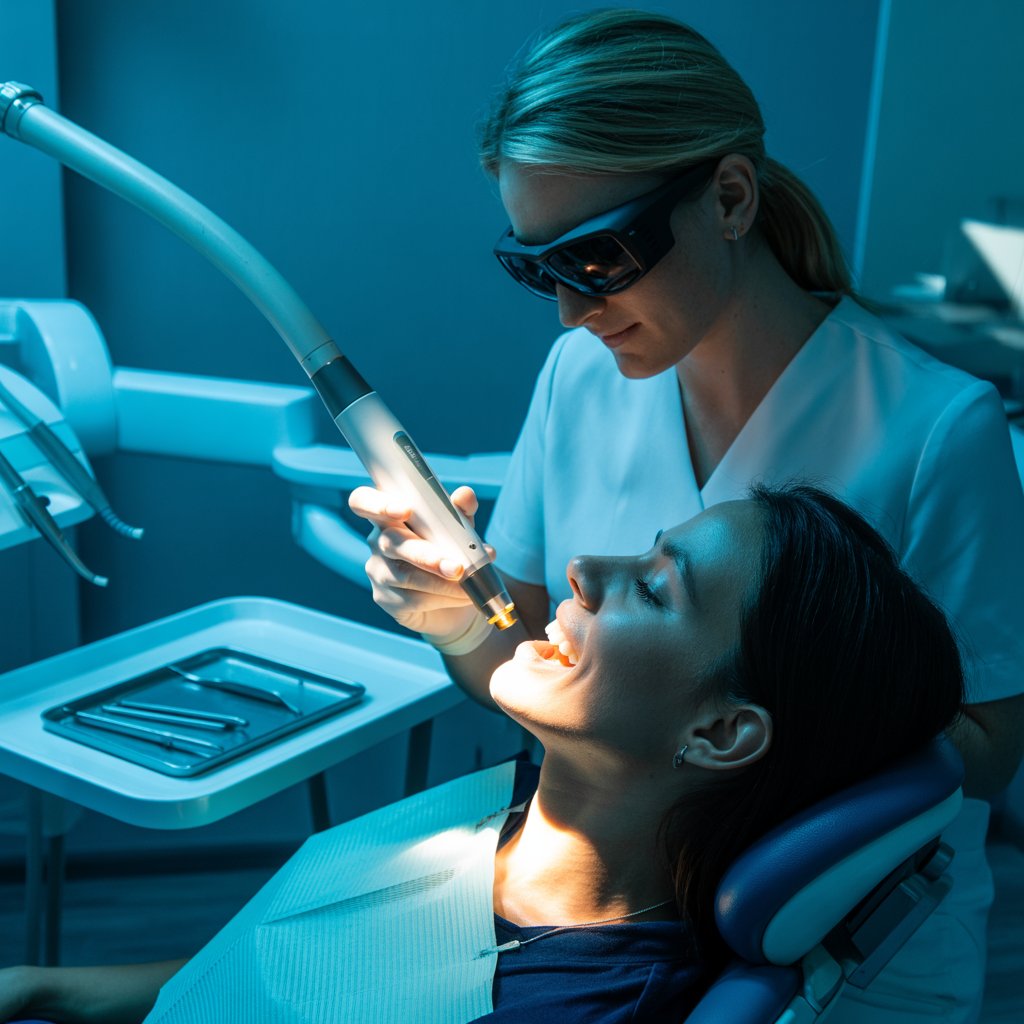
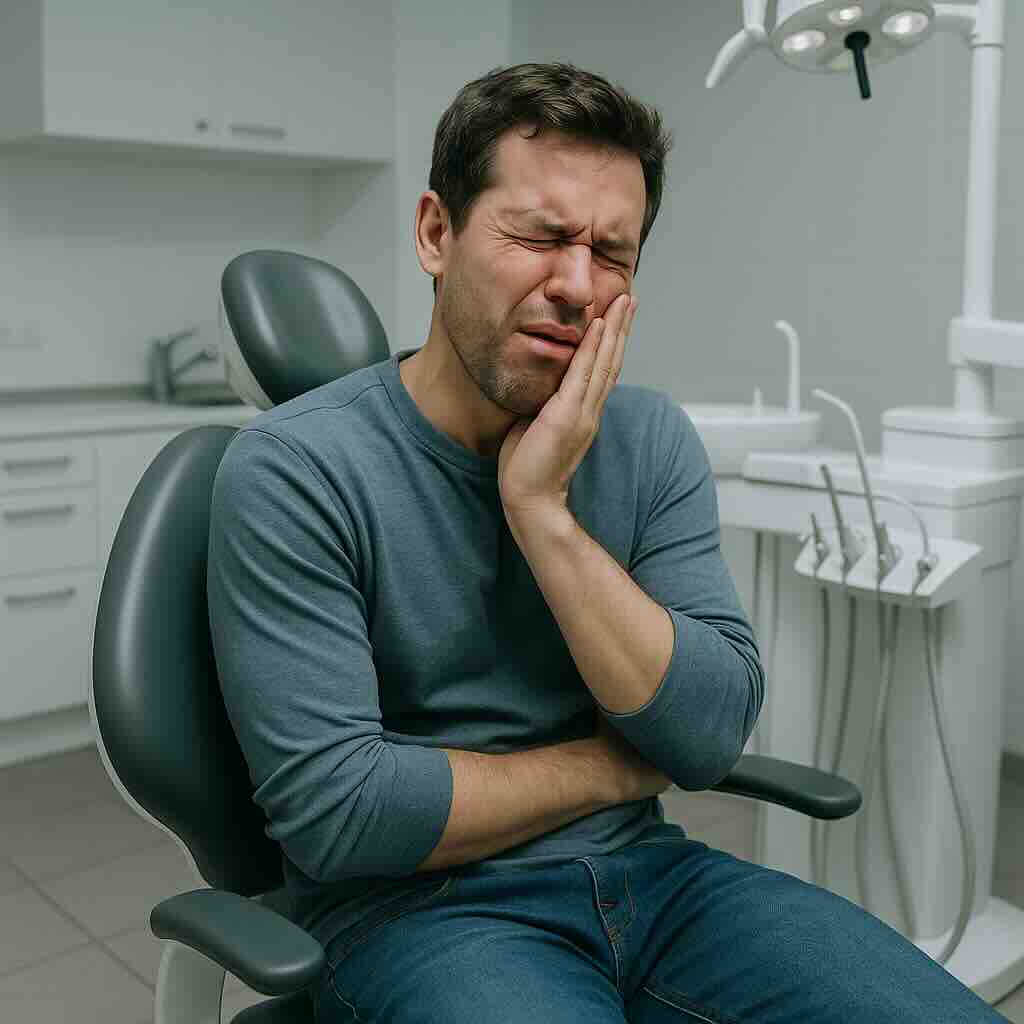
A severe toothache has a way of shrinking your world. People who can usually push through a headache or a sore back often find dental pain different. It can be sharp, throbbing, hot, cold, relentless, and strangely draining. It can wake you at 2 a.m., make chewing impossible, and leave you distracted at work, in the car, or at your child’s soccer game. The hard part is not only the pain itself. It is the uncertainty. Is this something you can manage until Monday, or is it a true dental emergency that needs attention now?
That question matters because the timing can change the outcome. Some toothaches are caused by irritation that can wait a short time with sensible home care and a prompt dental appointment. Others signal infection, nerve involvement, trauma, or a problem that worsens by the hour. Knowing the difference helps you act quickly without panicking, and it can save you from bigger treatment, higher cost, and more difficult recovery later.
Why a severe toothache should never be brushed off
Tooth pain rarely appears without a reason. Even when the ache seems to come out of nowhere, there is usually an underlying cause. Common culprits include deep decay, a cracked tooth, a loose filling or crown, gum infection, a dental abscess, impacted wisdom teeth, grinding-related fractures, or inflammation in the pulp, which is the soft tissue inside the tooth where the nerve and blood supply live.
What makes dental pain tricky is that the mouth does not always localize pain neatly. A molar problem can feel like ear pain. Sinus pressure can mimic upper tooth pain. A cracked tooth can hurt only when biting down, then vanish between meals. An abscess may simmer quietly for days before swelling suddenly becomes obvious. In practice, people often underestimate a developing problem because the pain comes and goes. That pattern is common with tooth infections and inflamed nerves. Intermittent pain does not mean a minor issue.
There is also the simple fact that the tooth will not heal itself. Unlike a sore muscle, a decayed or infected tooth does not recover with rest. Symptoms may calm temporarily, but the structural or bacterial problem remains. That is why waiting can turn a manageable filling into a root canal, or a cracked cusp into a tooth that needs extraction.
What counts as a true dental emergency
Not every toothache requires same-day care, but some symptoms should move you from “I’ll keep an eye on it” to “I need an Emergency Dentist today.” The distinction comes down to severity, duration, swelling, signs of infection, and whether the pain is tied to trauma or bleeding.
The clearest warning sign is pain that is intense, persistent, and not relieved by standard over-the-counter medication used as directed. If you cannot sleep, cannot eat, or cannot think straight because of the pain, that already tells you something important. Severe pain usually means the tooth or surrounding tissue is significantly inflamed or infected.
Swelling changes the picture even more. A toothache with facial swelling, gum swelling, or a tender bump near the tooth strongly suggests infection. If swelling is spreading into the cheek, jawline, or under the eye, it should not wait. Dental infections can progress beyond the tooth and gums into surrounding spaces. That is uncommon in healthy adults who seek care promptly, but it is serious when it happens.
Emergency DentistFever, a bad taste in the mouth, foul-smelling drainage, pain when opening the mouth, trouble swallowing, or swollen lymph nodes in the neck are also red flags. These are signs that the body is reacting to infection, not just inflammation.
Trauma is another category that deserves urgent care. A tooth that has been cracked, broken, loosened, pushed out of position, or knocked out needs attention quickly. Timing matters tremendously after injury. In some cases, a tooth can be stabilized or even replanted, but the window is short.
Here are the situations that generally justify calling an Emergency Dentist without delay:
- Severe tooth pain that lasts more than a few hours, worsens rapidly, or prevents sleep.
- Swelling in the gums, face, or jaw, especially if it is spreading.
- Fever, drainage, bad taste, or signs of infection along with tooth pain.
- A cracked, broken, knocked-out, or loosened tooth after trauma.
- Trouble swallowing, difficulty breathing, or swelling that affects the eye or neck area.
The last item moves beyond urgent dental care and into immediate Emergency Dentist medical territory. If breathing or swallowing becomes difficult, or if swelling is substantial and moving into the neck or around the eye, do not wait for a routine callback. Seek emergency medical evaluation right away.
Pain that can often wait a day or two, and pain that usually cannot
There is a middle ground that causes the most confusion. Some toothaches are uncomfortable but not dangerous over the next 24 to 48 hours. A brief zing with cold, mild soreness around a recently lost filling, or tenderness after biting something hard may be manageable until the next available dental appointment, provided symptoms are stable and there is no swelling or fever.
The problem is that people often misjudge what “manageable” means. If you are taking pain medication around the clock and still struggling, that is not mild. If the pain wakes you from sleep, that is not mild. If cold lingers for 30 seconds after a sip of water, or biting causes a sharp electric pain every time, the tooth may be telling you the nerve is involved or the tooth is cracked more deeply than it looks.
A useful rule from clinical practice is this: discomfort that is annoying but predictable, with no swelling and no systemic symptoms, can often wait for the next prompt opening. Pain that is escalating, radiating, throbbing, or paired with visible changes in the mouth or face usually deserves same-day attention.
The symptoms that deserve special respect
Certain patterns tend to point to more urgent problems. Throbbing pain that pulses with your heartbeat often appears with significant inflammation or infection. Pain that worsens when you lie down can happen when pressure in the area increases. Sensitivity to hot drinks that lingers can be a clue that the pulp inside the tooth is inflamed beyond what a simple filling will solve. A pimple-like bump on the gum near a painful tooth often indicates an abscess draining through the gum tissue.
One of the more deceptive scenarios is the toothache that suddenly stops after days of severe pain. People understandably feel relieved and may cancel the appointment. Sometimes the pain eases because pressure has been released or the nerve tissue inside the tooth has died. That does not mean the tooth is healing. In fact, a “toothache that went quiet” after severe pain can still leave infection in place, and the problem may return with swelling.
Another pattern that should raise concern is pain after dental treatment that gets worse rather than better. Some tenderness after a filling, crown preparation, or deep cleaning is normal. What is not normal is escalating pain, swelling, fever, or a bite that suddenly feels high and painful. If recent treatment is followed by those symptoms, the office should hear about it quickly.
What to do before you can be seen
The goal at home is to control symptoms without making the situation worse. Many people instinctively reach for heat, lie flat, or put aspirin directly on the gum. Those choices often backfire. Heat can aggravate swelling. Lying flat may intensify throbbing. Aspirin placed on the gum can burn soft tissue.
These are sensible steps while you arrange care:
- Rinse gently with warm salt water and keep the area clean.
- Use over-the-counter pain relievers only as directed on the label, if you can take them safely.
- Apply a cold compress to the outside of the face for swelling or throbbing.
- Avoid chewing on that side, and stay away from very hot, very cold, or very sweet foods if they trigger pain.
- Call the dental office, describe the pain, swelling, and timing clearly, and mention any fever or trauma.
Two practical notes make a real difference. First, cold compresses belong on the outside of the face, not tucked directly against the tooth or gum for long periods. Second, if a piece of food is trapped between teeth, gentle flossing may bring quick relief. It is worth trying once, carefully. Aggressive picking with sharp tools is not.
People often ask whether antibiotics alone will solve the issue. Sometimes antibiotics are necessary, especially if there is swelling, fever, or spreading infection. But they are not a substitute for dental treatment. If the source is a dead or infected tooth, the tooth usually still needs a procedure such as drainage, root canal treatment, or extraction. Antibiotics may calm the flare enough to make definitive care safer and more comfortable, but they rarely remove the underlying problem by themselves.
When a hospital emergency room makes more sense than a dental office
A common point of confusion is whether to call a dentist or go straight to the ER. For most isolated toothaches, even very painful ones, the best first call is a dentist, ideally an Emergency Dentist who can examine the tooth, take dental X-rays, numb the area, and begin actual treatment. Emergency rooms are important, but they usually cannot provide definitive dental procedures. They can help manage severe infection, pain, dehydration, or complications, then direct you back to a dentist or oral surgeon for the tooth itself.
Hospital care becomes the better choice when the dental problem is affecting breathing, swallowing, eye area swelling, severe facial cellulitis, high fever, confusion, or a general sense that the person is becoming seriously unwell. It is also appropriate after significant facial trauma, uncontrolled bleeding, or when dental pain is part of a broader medical emergency.
A useful way to think about it is this. If the danger is mainly the tooth, call a dentist. If the danger is spreading beyond the tooth and affecting your airway, systemic health, or facial structures, seek emergency medical care immediately.
What the dentist is looking for when you call
When someone phones with a severe toothache, the decision about urgency often depends on a few details. Offices usually want to know when the pain started, whether it is constant or triggered, whether there is swelling, whether there is fever, whether you can open your mouth normally, and whether the tooth has a history of fillings, crowns, trauma, or recent treatment. They may also ask whether cold or heat sets it off, and whether the pain lingers after the stimulus is gone.
That information helps the team decide how quickly to see you and what to prepare for. A cracked molar that hurts only on release after biting may need a different approach from an abscessed tooth with facial swelling. A knocked-out front tooth may trigger immediate instructions over the phone, including how to handle the tooth, because every minute counts.
One practical point that patients appreciate: if you think the problem may involve infection or swelling, do not downplay it when you call. Be direct. “My cheek is noticeably swollen and the pain kept me awake all night” gives the team a clearer picture than “I have some tooth pain.”
Severe toothache in children needs fast judgment too
Parents face a different kind of stress when a child has dental pain. Children may struggle to explain exactly what hurts, and they often deteriorate from cranky to miserable quickly. If a child has severe tooth pain with facial swelling, fever, reduced appetite, trouble sleeping, or reluctance to let anyone touch the area, a prompt dental evaluation is warranted. Young children can become dehydrated faster when they stop eating and drinking because chewing hurts.
Dental trauma in children also needs careful assessment. A baby tooth that is injured is managed differently from a permanent tooth, but both deserve professional guidance. Permanent teeth that are chipped, displaced, or knocked out are especially time-sensitive.
Why waiting over the weekend often costs more than people expect
There is a very human temptation to hold out until the schedule clears, the paycheck arrives, or the trip is over. Sometimes that choice works out. Often it does not. A cavity that reaches the nerve tends not to pause politely because it is Saturday. A cracked tooth rarely gets stronger with two more days of chewing. An abscess may be vaguely sore on Friday and visibly swollen by Sunday morning.
From a treatment standpoint, earlier care often preserves options. A tooth with deep decay may be saved with root canal treatment and a crown if addressed before the surrounding structures break down. A cracked tooth that is stabilized early may remain restorable. Once a fracture extends below the gum line, or infection destroys too much support, the conversation can shift from saving the tooth to removing it.
The cost question matters too. Patients sometimes delay because they fear an emergency visit will be expensive, then end up needing more complex treatment. It is not always avoidable, but in many real cases, the bigger expense is not the urgent appointment. It is the damage that occurred while waiting.
A brief example from everyday practice
Consider two common scenarios. In the first, a person develops sharp pain to cold in a lower molar on Thursday. It fades within a few seconds each time, there is no swelling, and over-the-counter medication is enough. They book the next available appointment for Monday and avoid chewing on that side. That is reasonable.
In the second, a person notices the same lower molar hurts on Thursday, but by Friday night the pain is throbbing, wakes them from sleep, and radiates into the ear. By Saturday afternoon the gum feels puffy and the cheek looks slightly swollen. That is no longer a “wait and see” situation. Calling an Emergency Dentist is the right move because the likelihood of a tooth infection or advanced pulp inflammation is much higher, and the condition may worsen quickly.
Those examples show why timing depends less on the calendar and more on the pattern of symptoms.
If you are prone to dental flare-ups, prepare before the next one
People with large old fillings, past root canals, untreated wisdom teeth, grinding habits, or a history of recurring dental infections know that problems often arrive at inconvenient times. A little preparation helps. Keep your dentist’s number somewhere easy to find. Know which local offices offer after-hours or weekend emergency care. Replace cracked night guards, and do not ignore a temporary crown that feels loose or a filling that has been sensitive for weeks.
It also helps to keep your expectations realistic. An emergency visit may not complete every part of treatment on the same day. Sometimes the immediate goal is diagnosis, pain control, drainage, temporary stabilization, or starting treatment that will be finished in a second visit. That does not mean the visit was incomplete. It means the dentist is handling the urgent part first and preserving the best long-term outcome.
The bottom line for decision-making
A severe toothache deserves respect, not because every case is catastrophic, but because the mouth can go from manageable to urgent faster than people expect. If the pain is intense, persistent, keeping you awake, or paired with swelling, fever, drainage, trauma, or trouble swallowing, call an Emergency Dentist right away. If symptoms are spreading beyond the mouth or affecting breathing or the eye or neck area, seek immediate medical care.
When in doubt, err on the side of being evaluated. Dental emergencies are easier to treat at the beginning than at the peak. The right call at the right time can mean the difference between a difficult weekend and a straightforward solution, between saving a tooth and losing one, between a local problem and a much bigger health issue.
Vitality Dental
1220 Coit Rd # 106, Plano, TX 75075, United States
+1 972-645-4100
FAQ About Emergency Dentist
What counts as a dental emergency?
A knocked-out tooth, significant mouth injury, severe tooth pain, or painful swelling warrants prompt evaluation. Call your dentist and describe your symptoms so the office can advise you on how urgently you need care.
What should I do if I knock out a permanent tooth?
Call a dentist immediately. Handle the tooth by the crown, avoid touching the root, and keep it moist. If you cannot put it back into the socket easily, transport it in milk or a tooth-preservation solution. Bring it with you to the appointment.
Should I go to the emergency room for a dental emergency?
Seek emergency medical care right away if you have trouble breathing or swallowing, uncontrolled bleeding, or a serious facial injury. For an isolated tooth injury or toothache without those symptoms, call a dentist promptly for guidance.